Asset Lifecycle Management
Commercial HVAC preventative maintenance helps property managers reduce emergency repairs, extend equipment life, improve comfort, and keep maintenance operations more predictable across buildings and portfolios.
HVAC systems are among the most important and expensive building assets in commercial and mixed-use properties. When heating, cooling, ventilation, filters, belts, coils, controls, and rooftop units are not maintained on a consistent schedule, small issues can turn into expensive breakdowns, tenant complaints, comfort problems, energy waste, and urgent vendor calls.
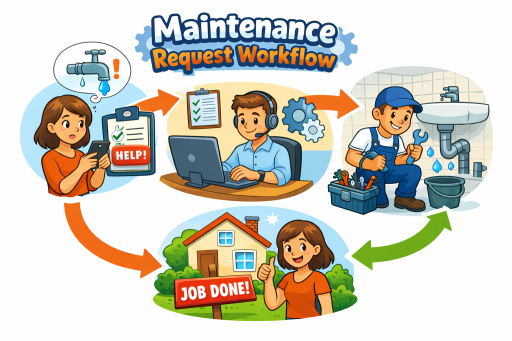
A strong commercial HVAC preventative maintenance process is not just a checklist. It is an organized workflow that connects equipment records, recurring maintenance tasks, inspections, work orders, vendor accountability, and reporting. Property managers need a clear way to know what equipment exists, where it is located, when it was last serviced, what work was completed, and what follow-up is still open.
TaskEstate helps property teams organize maintenance operations in one platform instead of depending on disconnected spreadsheets, emails, phone calls, and paper notes. You can review the full platform capabilities on the TaskEstate features page.
What Is Commercial HVAC Preventative Maintenance?
Commercial HVAC preventative maintenance is the planned service and inspection of heating, ventilation, and air conditioning equipment before major failures occur. The goal is to keep systems operating reliably, identify problems early, document service activity, and reduce the chance of expensive emergency repairs.
For property managers, HVAC preventative maintenance may include filter changes, coil cleaning, belt inspection, thermostat checks, drain line reviews, refrigerant observations, electrical connection checks, airflow verification, rooftop unit inspections, seasonal startup checks, and corrective work orders when issues are found.
The exact scope depends on the property type, equipment, lease structure, vendor contract, local requirements, and manufacturer recommendations. However, the management problem is usually the same: property teams need a repeatable system that keeps recurring HVAC tasks visible and documented.
Why HVAC Preventative Maintenance Matters for Property Operations
HVAC failures can affect tenant satisfaction, resident comfort, building operations, vendor costs, and property reputation. A missed filter change or ignored inspection note may seem minor, but repeated gaps can create higher repair costs, poor indoor comfort, and avoidable service calls.
Preventative maintenance gives property managers a more controlled approach. Instead of reacting only when someone reports that a unit is not cooling or heating, managers can schedule recurring tasks, track service completion, document asset condition, and review patterns before problems become urgent.
- Fewer emergency repairs: routine checks help identify worn parts and performance issues earlier.
- Longer equipment life: consistent maintenance can help preserve major HVAC assets and reduce premature replacement pressure.
- Better documentation: completed service history supports vendor accountability, warranty review, and repair-versus-replace decisions.
- Improved comfort: planned maintenance helps reduce tenant and resident complaints related to heating, cooling, and airflow.
- Stronger operational control: managers can see open HVAC tasks, overdue work, recurring issues, and inspection findings in one workflow.
Common Commercial HVAC Preventative Maintenance Tasks
A commercial HVAC maintenance plan should be practical, repeatable, and easy for managers, technicians, and vendors to follow. The following tasks are commonly included in HVAC preventative maintenance programs:
1. Filter Replacement and Airflow Checks
Dirty filters can restrict airflow, reduce efficiency, affect comfort, and place additional strain on equipment. Filter replacement schedules should be documented by property, building, equipment location, and date completed.
2. Coil Cleaning and Visual Equipment Review
Condenser and evaporator coils should be reviewed and cleaned as appropriate. Property teams should document visible damage, debris buildup, corrosion, unusual noise, and signs that a unit may require follow-up service.
3. Belt, Motor, and Electrical Component Checks
Belts, motors, wiring, connections, and controls should be reviewed by qualified personnel or vendors. If a technician identifies a concern, the finding should become a trackable work order instead of remaining buried in notes.
4. Drain Line and Condensate Review
Clogged condensate drains can create water damage, leaks, and service disruptions. Preventative maintenance should include drain line review where applicable, especially before high-use cooling seasons.
5. Seasonal Startup and Shutdown Checks
Heating and cooling systems often need seasonal review before peak demand. A structured calendar helps property managers prepare before temperature changes create urgent tenant or resident complaints.
6. Thermostat and Control Verification
Controls, thermostats, and automation settings should be checked for accuracy and proper operation. Incorrect settings can lead to comfort problems, unnecessary service calls, and energy waste.
How to Build a Better HVAC Preventative Maintenance Workflow
A reliable HVAC maintenance program should connect planning, execution, verification, and reporting. The strongest process usually includes the following steps.
Step 1: Create an HVAC Asset Inventory
Start by documenting each HVAC asset. Include the property, building, unit or area served, equipment type, installation date, vendor, model or serial number if available, warranty details, and service notes. This creates the foundation for better lifecycle decisions.
TaskEstate supports organized asset installation records, helping property teams track what was installed, where it is located, and when it was installed.
Step 2: Schedule Recurring Maintenance Tasks
Preventative maintenance should not depend on memory. Property managers should create recurring tasks for filter changes, seasonal inspections, service reviews, and required follow-up. A structured schedule makes it easier to see what is due, what is overdue, and who is responsible.
A centralized compliance calendar can help property teams organize recurring maintenance, inspection, and operational deadlines in one place.
Step 3: Convert Findings Into Work Orders
Preventative maintenance is only useful when findings lead to action. If a technician finds a worn belt, blocked drain line, damaged panel, poor airflow, or unusual equipment behavior, that issue should become a trackable work order with priority, assignment, notes, status, and completion history.
Using property maintenance software helps managers connect maintenance activity to the correct property, building, unit, asset, vendor, and inspection record.
Step 4: Verify Completed HVAC Work
Completion should not always be the final step. For high-value equipment, recurring issues, comfort complaints, or compliance-related items, property managers may need inspection verification. This helps confirm that the work was actually completed and that the issue did not return immediately.
TaskEstate supports property inspections that help teams document findings, verify outcomes, and trigger follow-up work when needed.
Step 5: Review HVAC Maintenance History
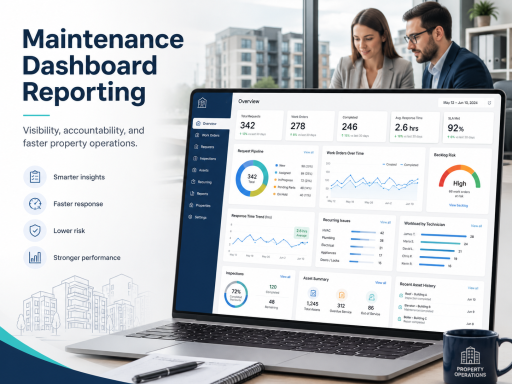
Over time, HVAC history becomes valuable operational data. Managers can review repeat work orders, frequent vendor visits, recurring failures, aging equipment, seasonal patterns, and assets that may need replacement instead of another repair.
Commercial HVAC Maintenance Checklist for Property Managers
Use this checklist as a starting point for building a structured HVAC preventative maintenance program. The actual service scope should be adjusted based on equipment type, vendor recommendations, manufacturer guidance, property requirements, and qualified technician input.
| Maintenance Area | What to Track | Why It Matters |
|---|---|---|
| Filters | Replacement date, location, technician or vendor, next due date | Supports airflow, comfort, and equipment performance |
| Coils | Cleaning status, visible condition, debris, corrosion, notes | Helps reduce performance problems and service disruptions |
| Belts and Motors | Inspection results, wear, noise, vibration, corrective work orders | Helps catch mechanical issues before failure |
| Drain Lines | Clog checks, water signs, cleaning activity, follow-up needs | Helps reduce water damage and leak-related work orders |
| Controls and Thermostats | Settings, function, tenant complaints, calibration concerns | Helps maintain comfort and reduce unnecessary calls |
| Vendor Service | Service date, vendor name, invoice reference, notes, recommendations | Supports accountability and better repair-versus-replace decisions |
| Inspection Follow-Up | Failed items, corrective action, reinspection date, completion record | Helps close the loop and prevent unresolved issues |
Preventative Maintenance vs. Reactive HVAC Repairs
Reactive maintenance happens after a problem is reported. Preventative maintenance happens before the problem becomes disruptive. Both are part of property operations, but relying only on reactive repairs usually creates higher stress, less predictable costs, more tenant frustration, and weaker documentation.
For commercial HVAC systems, reactive repairs often happen during the worst possible time: a heat wave, a cold period, a busy business day, or after repeated complaints. Preventative maintenance gives property managers a better chance to plan service, manage vendors, budget for replacements, and keep stakeholders informed.
The goal is not to eliminate every emergency. That is not realistic. The goal is to reduce preventable emergencies and make HVAC maintenance easier to manage with clear records, recurring schedules, inspection notes, and work order history.
How TaskEstate Helps Organize HVAC Preventative Maintenance
TaskEstate helps property managers create a more structured maintenance process for HVAC assets and other building systems. Instead of managing service reminders in one place, work orders in another, inspection notes somewhere else, and asset details in vendor invoices, teams can bring the workflow together.
- Track HVAC assets by property, building, unit, or common area.
- Create recurring maintenance and compliance tasks.
- Assign HVAC follow-up work to staff or vendors.
- Document inspections and corrective actions.
- Review asset history when deciding whether to repair or replace equipment.
- Reduce missed tasks by keeping open and overdue work visible.
- Build a clearer maintenance record across the full property portfolio.
If your HVAC maintenance process is still handled through spreadsheets, email reminders, paper checklists, or informal vendor notes, TaskEstate can help you move toward a more organized and accountable workflow.
Best Practices for Commercial HVAC Preventative Maintenance
Standardize the Maintenance Schedule
Create consistent maintenance intervals for each equipment type. Avoid relying on individual memory or informal reminders. Standard schedules make it easier to manage multiple properties and vendors.
Connect Work Orders to Assets
HVAC work should be connected to the specific asset whenever possible. This makes it easier to identify repeat failures, high-cost equipment, and systems that may need replacement.
Require Clear Completion Notes
Every completed HVAC task should include enough detail to be useful later. A simple “done” does not help managers understand what was serviced, what was found, and whether follow-up is needed.
Use Inspections for Quality Control
For recurring problems or higher-risk systems, use inspection verification to confirm that corrective work was completed properly. This reduces the chance of closing work too early.
Review Maintenance Data Regularly
HVAC maintenance data should be reviewed for patterns. Look for repeat service calls, assets with rising costs, seasonal spikes, vendor delays, and properties with frequent comfort complaints.
FAQ: Commercial HVAC Preventative Maintenance
What is commercial HVAC preventative maintenance?
Commercial HVAC preventative maintenance is the planned inspection, service, and documentation of heating, ventilation, and air conditioning systems before major failures occur. It helps property managers reduce emergency repairs, improve comfort, and maintain better equipment records.
How often should commercial HVAC preventative maintenance be scheduled?
Frequency depends on the equipment, property type, usage level, vendor recommendations, manufacturer guidance, and local requirements. Many property teams schedule seasonal checks, recurring filter changes, and periodic equipment inspections throughout the year.
What should be included in an HVAC preventative maintenance checklist?
A basic checklist may include filter replacement, coil review, drain line checks, belt and motor inspection, thermostat verification, airflow review, visible equipment condition, vendor notes, corrective actions, and next service date.
Why should property managers track HVAC assets separately?
HVAC assets are expensive and often generate repeat service needs. Tracking each asset separately helps managers review age, installation history, repair history, warranty context, vendor service, and replacement timing.
How does maintenance software help with HVAC preventative maintenance?
Maintenance software helps property managers schedule recurring tasks, assign work orders, document inspections, track asset records, monitor overdue work, and review maintenance history across properties, buildings, units, and equipment.
Can HVAC inspection findings become work orders?
Yes. A strong maintenance workflow should convert inspection findings into trackable work orders. This helps ensure that problems found during preventative maintenance are assigned, completed, documented, and reviewed.