Commercial HVAC Preventative Maintenance for Property Managers
Learn how property managers can organize commercial HVAC preventative maintenance with schedules, inspections, asset records, compliance tasks, and work order tracking.
Read articleManage property assets from installation to replacement with TaskEstate. Track equipment records, maintenance history, inspections, warranties, and lifecycle decisions in one organized platform.
Asset Lifecycle Management helps property managers track building equipment, installed assets, service history, replacement timelines, and maintenance decisions from one organized system.
Every property depends on critical assets: HVAC units, water heaters, appliances, pumps, roof systems, electrical panels, fire-safety equipment, access-control devices, and many other components that keep buildings operational. Without a clear lifecycle record, teams often rely on spreadsheets, scattered invoices, vendor emails, or memory to understand when an asset was installed, what repairs were completed, and when replacement should be considered.
This category focuses on practical asset lifecycle strategies for property managers, maintenance supervisors, and real estate operators who want better visibility into the condition, cost, and performance of property assets. A strong asset lifecycle process supports smarter budgeting, faster maintenance decisions, fewer surprise failures, and a more reliable resident experience.
With TaskEstate, property teams can connect asset records with maintenance activity, inspections, work orders, and operational reporting. Instead of treating each repair as an isolated event, managers can evaluate the full history of an asset and decide whether to repair, monitor, upgrade, or replace it. Explore more operational tools on the TaskEstate features page.
Property assets lose value, require service, and eventually reach the end of their useful life. When teams do not track that lifecycle, small issues can become expensive emergencies. A complete asset record helps managers answer important questions: when was the asset installed, who serviced it, how often has it failed, what parts were replaced, and whether continued repairs still make financial sense.
The articles in this category are designed to help property teams improve asset tracking, preventive maintenance planning, replacement forecasting, warranty documentation, inspection readiness, and maintenance cost control across single properties or large portfolios.

Learn how property managers can organize commercial HVAC preventative maintenance with schedules, inspections, asset records, compliance tasks, and work order tracking.
Read article
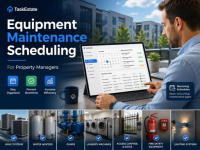
Learn how equipment maintenance scheduling helps property managers prevent breakdowns, organize recurring tasks, track assets, and keep properties inspection-ready.
Read article
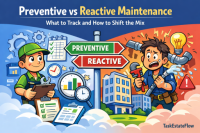
Learn how property managers can shift from reactive maintenance to preventive work by tracking the right KPIs, using asset history, and standardizing work order workflows across properties and units.
Read article
A practical repair-vs-replace framework for property managers. Use work order history, inspections, asset installation records, and reporting to reduce repeat issues and improve lifecycle decisions.
Read article
Use asset installation records to plan preventive maintenance, reduce repeat work orders, and make repair-vs-replace decisions with reporting across properties, buildings, and units.
Read article
Build an asset lifecycle program for property maintenance using installation records, work orders, inspections, and reporting. Reduce repeat repairs, improve planning, and make repair-vs-replace decisions with evidence.
Read articleAsset Lifecycle Management is not only about keeping a list of equipment. It is about creating a reliable operating record for each major asset in a property portfolio. When asset data is accurate and connected to real maintenance activity, managers can make better decisions about service schedules, capital planning, vendor performance, and long-term property value.
A well-structured asset lifecycle workflow can help maintenance teams reduce repeat repairs, identify aging equipment, document completed work, and prepare for future replacement needs before an emergency occurs. This is especially important for property managers responsible for multiple buildings, shared amenities, or large residential communities where asset downtime can affect many residents at once.
TaskEstate helps property managers move from reactive maintenance to organized asset-based operations. By keeping installation details, maintenance history, inspection notes, and work order activity connected, your team can improve accountability and make asset decisions with better context. To start organizing your property assets and maintenance workflows, create a TaskEstate account.
Asset Lifecycle Management is the process of tracking property assets from installation through maintenance, repairs, inspections, upgrades, and eventual replacement. It helps property managers understand asset condition, service history, cost, and long-term planning needs.
Property managers should track major equipment and systems such as HVAC units, water heaters, appliances, elevators, pumps, fire-safety systems, roofing components, electrical equipment, plumbing systems, access-control devices, and other assets that require maintenance or replacement planning.
Asset tracking gives maintenance teams access to service history, repair patterns, installation dates, and inspection records. This helps teams respond faster, avoid duplicate work, reduce unnecessary repairs, and decide when replacement may be more cost-effective than continued maintenance.
Asset history helps property managers understand how often an item fails, what repairs were completed, which vendors performed the work, and whether warranty or replacement options should be reviewed. This creates better documentation and stronger operational control.
Yes. When property managers know the age, condition, and repair history of major assets, they can forecast replacement needs more accurately and prepare maintenance or capital budgets with stronger supporting data.
TaskEstate supports Asset Lifecycle Management by helping property teams organize asset records, connect assets with maintenance activity, document inspections, and maintain a clearer operational history for property equipment and building systems.