Build More Consistent Property Operations
The best property management teams use documented playbooks to make work easier to repeat,
measure, and improve. A good operations playbook helps everyone understand what should happen,
when it should happen, who is responsible, and how progress should be recorded. This is especially
important when managing maintenance issues, unit turnovers, recurring inspections, compliance tasks,
resident communication, and vendor coordination.
Without clear workflows, property teams often lose time chasing updates, searching for old records,
repeating the same conversations, or reacting to problems only after they become urgent. A structured
operations approach helps prevent missed tasks, improves visibility, and makes it easier for managers
to identify bottlenecks before they affect residents, owners, or staff performance.
Use these playbooks as a practical starting point for improving your internal procedures. Review your
current process, identify where communication breaks down, define clear steps for each recurring
operation, and make sure every task has an owner, due date, status, and record of completion.
Over time, this creates a stronger operational foundation for your properties and your team.
If you are ready to organize maintenance, requests, inspections, assets, and team workflows in one
place, you can create a TaskEstate account and start
building a more controlled property operations process.
Frequently Asked Questions About Property Management Operations Playbooks
What is a property management operations playbook?
A property management operations playbook is a documented guide that explains how a property
team should handle recurring tasks, maintenance workflows, inspections, resident requests,
vendor coordination, reporting, and compliance follow-up. It helps teams work more consistently
and reduces confusion during daily operations.
Why are operations playbooks important for property managers?
Operations playbooks help property managers standardize work, reduce missed tasks, improve
accountability, and train team members more effectively. They also make it easier to track what
was done, who completed it, and where operational problems need improvement.
What topics should a property operations playbook include?
A strong playbook should include maintenance request handling, work order procedures, preventive
maintenance schedules, inspection routines, resident communication standards, vendor assignment
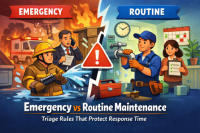
steps, emergency response procedures, compliance tracking, reporting expectations, and escalation
rules.
How can software improve property management operations?
Property management operations software can centralize requests, work orders, inspections,
assets, tasks, notes, photos, statuses, and reports. This gives managers better visibility and
helps teams avoid relying only on email threads, spreadsheets, paper forms, or verbal updates.
Who should use these operations playbooks?
These playbooks are useful for property managers, maintenance coordinators, leasing teams,
asset managers, portfolio operators, inspectors, vendors, and owners who want a more organized
way to manage property operations and maintenance workflows.
How often should property operations playbooks be updated?
Property operations playbooks should be reviewed regularly, especially after major process changes,
recurring maintenance problems, staffing changes, inspection findings, resident service issues,
or compliance updates. Keeping playbooks current helps teams stay aligned as the portfolio grows.