Electrical preventive maintenance helps property managers reduce emergency repairs, improve safety documentation, protect building systems, and keep maintenance teams organized across units, buildings, and common areas.
Electrical issues can quickly become disruptive for residents and expensive for property teams. A single overloaded circuit, failing breaker, damaged outlet, flickering common-area light, or undocumented panel problem can lead to repeated work orders, urgent vendor calls, and avoidable downtime. For property managers, the goal is not to perform electrical work personally. The goal is to create a structured process that helps qualified professionals inspect, document, schedule, and resolve electrical maintenance issues before they become larger operational problems.
That is where electrical preventive maintenance becomes valuable. Instead of waiting for residents to report failures, property teams can build a repeatable maintenance program that connects inspections, asset records, recurring reminders, work orders, and follow-up documentation in one organized workflow.
What Is Electrical Preventive Maintenance?
Electrical preventive maintenance is the planned review, servicing, documentation, and follow-up of electrical systems and related equipment. In residential property operations, this may include apartment units, building panels, exterior lighting, common-area fixtures, laundry rooms, garages, gates, access-control equipment, mechanical rooms, and other electrical components that support daily property use.
For property managers, electrical preventive maintenance should focus on three practical outcomes:
- Early detection: identifying warning signs before they become outages or emergencies.
- Better documentation: keeping a clear record of inspections, findings, repairs, and vendor work.
- Operational accountability: making sure issues are assigned, tracked, completed, and verified.
Electrical work should always be handled by qualified maintenance staff, licensed electricians, or approved vendors when required. A property manager’s responsibility is to make sure the process is organized, documented, and followed consistently.
Why Electrical Preventive Maintenance Matters in Property Management
Electrical maintenance is easy to overlook because many systems are hidden behind walls, panels, ceilings, equipment rooms, and common-area fixtures. Problems may not be visible until residents report flickering lights, tripped breakers, failed outlets, warm switches, power loss, or equipment interruptions. By that point, the issue may already require urgent attention.
A preventive approach helps property managers move from reactive problem-solving to planned maintenance control. When electrical systems are reviewed on a schedule, teams can reduce missed issues, plan vendor visits more efficiently, and maintain stronger maintenance records by property, building, unit, and asset.
For teams building a more complete maintenance process, property maintenance software can help centralize electrical requests, work orders, inspections, asset history, and maintenance documentation in one place.
Common Electrical Items Property Managers Should Track
An electrical preventive maintenance program does not need to be complicated at the beginning. The most important step is to define which electrical items should be monitored and how often they should be reviewed. Common items may include:
- Electrical panels and subpanels
- Breakers, disconnects, and labeled circuits
- GFCI and AFCI protection where applicable
- Interior unit outlets and switches
- Common-area lighting and emergency lighting
- Exterior lighting, parking-area lighting, and pathway lighting
- Laundry room electrical connections
- Mechanical room electrical components
- Access-control systems, gates, and intercom equipment
- Smoke, carbon monoxide, and life-safety related electrical connections where applicable
- Dedicated circuits for appliances, HVAC, water heaters, pumps, or building equipment
Each property may have different electrical maintenance needs. A small apartment building may only need a simple quarterly or semiannual review, while a larger multifamily property may need more detailed schedules by building, system, vendor, and risk level.
Electrical Preventive Maintenance Checklist for Property Teams
The checklist below is designed as an operational framework for property managers. It should be adapted based on property type, local requirements, equipment condition, and recommendations from qualified electrical professionals.
1. Review electrical panels and labeling
Panels should be accessible, clearly labeled, and documented. Poor labeling can delay troubleshooting and create confusion during emergencies. Property teams should verify whether panels are properly identified by building, unit, common area, or equipment location.
2. Track recurring breaker trips
A breaker that trips repeatedly should not be treated as a normal inconvenience. Recurring breaker issues should be documented, assigned for review, and tracked as a pattern. If the same unit, appliance, or area generates repeated electrical work orders, it may indicate a deeper issue that needs professional evaluation.
3. Inspect common-area lighting
Common-area lighting supports resident safety, property appearance, and operational visibility. Hallways, stairwells, parking areas, walkways, laundry rooms, storage areas, and exterior entrances should be checked on a recurring schedule. Lighting failures should be recorded and converted into trackable work orders.
4. Document GFCI and outlet concerns
Outlets in kitchens, bathrooms, laundry rooms, exterior areas, garages, and other moisture-prone spaces may require special attention. If residents report outlets not working, outlets feeling loose, visible damage, or frequent resets, property teams should document the issue and route it to the appropriate maintenance professional.
5. Watch for warning signs
Property teams should treat burning smells, warm outlets, buzzing panels, flickering lights, scorched covers, exposed wiring, damaged conduit, or repeated power interruptions as priority concerns. These issues should be escalated quickly and documented clearly.
6. Connect inspections to follow-up work
Preventive inspections are only useful if findings lead to action. If an inspection identifies a damaged fixture, mislabeled panel, failed light, recurring circuit issue, or safety concern, the finding should become a trackable maintenance task or work order with status visibility.
7. Maintain service history by asset and location
Electrical maintenance history should not live only in vendor invoices or scattered notes. Property managers should know which building, unit, panel, lighting zone, or equipment item was serviced, when it was serviced, what was found, who completed the work, and what follow-up is needed.
How Often Should Electrical Preventive Maintenance Be Scheduled?
There is no single schedule that fits every property. Frequency depends on property size, building age, system condition, resident turnover, local requirements, and the type of electrical equipment on site. However, property managers can start with a practical structure:
- Monthly: common-area lighting, exterior lighting, visible damage, urgent resident-reported electrical patterns.
- Quarterly: electrical rooms, panel accessibility, repeated breaker issues, laundry room electrical areas, mechanical room observations.
- Semiannually: broader building electrical condition review, recurring issue analysis, vendor recommendations, asset updates.
- Annually: full preventive review with qualified professionals where appropriate, budget planning, capital replacement review, and compliance-related documentation.
A recurring schedule is especially useful for electrical maintenance because many issues are easy to forget when no emergency is happening. A compliance calendar can help property managers organize recurring electrical reviews, inspection due dates, follow-up reminders, and overdue maintenance tasks.
Using Asset Records for Electrical Maintenance
Electrical preventive maintenance becomes more effective when property teams know what equipment exists, where it is located, and how it has performed over time. Asset records can help document electrical panels, lighting systems, access-control equipment, pumps, mechanical equipment connections, and other electrical assets that require ongoing service.
With organized asset installation records, property managers can track installation dates, equipment details, service history, location, vendor notes, replacement timing, and recurring maintenance activity. This creates a clearer picture of which electrical assets are aging, which locations generate repeated issues, and which systems may need budget attention before failure occurs.
Electrical Inspections and Maintenance Verification
Electrical preventive maintenance should not stop when a task is assigned. Property managers also need verification. Was the issue inspected? Was the work completed? Were photos or notes added? Did the same problem return? Was follow-up required?
Using property inspections helps teams document conditions, standardize inspection questions, capture findings, and create follow-up tasks when electrical concerns are discovered. This is especially useful for move-in inspections, move-out inspections, common-area checks, annual property reviews, and maintenance follow-up inspections.
How Electrical Preventive Maintenance Reduces Repeat Work Orders
Repeat electrical work orders often happen when teams treat each request as an isolated event. For example, if a resident reports a tripped breaker three times in six months, the issue should not be viewed as three unrelated tickets. It should be reviewed as a pattern.
Preventive maintenance helps property managers identify these patterns by connecting requests, work orders, inspections, and asset records. When data is centralized, property teams can answer better questions:
- Which buildings have the most electrical requests?
- Which units have repeated outlet, breaker, or lighting issues?
- Which common areas generate frequent lighting repairs?
- Which electrical assets are approaching replacement age?
- Which vendor repairs resulted in repeat service calls?
- Which inspection findings remain open or overdue?
These answers help property managers make better decisions about repairs, replacements, inspections, vendor performance, and budget planning.
Building a Simple Electrical Preventive Maintenance Workflow
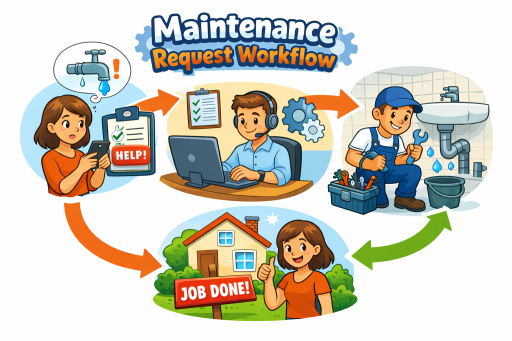
A strong workflow does not need to be complicated. The best process is one that property teams can actually follow. A practical electrical preventive maintenance workflow may look like this:
- Create electrical asset records for major panels, lighting zones, building systems, and equipment connections.
- Set recurring maintenance schedules for common-area reviews, panel checks, lighting inspections, and vendor service visits.
- Use inspection checklists to document visible conditions and standardize review steps.
- Create work orders from findings when repairs, vendor review, or follow-up action is needed.
- Track completion status so managers know what is pending, assigned, completed, or overdue.
- Review recurring issues monthly or quarterly to identify patterns by unit, building, system, or vendor.
- Update asset history after service so future maintenance decisions have better context.
Benefits for Property Managers
Electrical preventive maintenance gives property managers a stronger operating system for one of the most important areas of building maintenance. Benefits include:
- Fewer missed electrical maintenance tasks
- Better visibility into recurring electrical problems
- Clearer documentation for inspections and vendor work
- Improved accountability for follow-up tasks
- More reliable common-area lighting reviews
- Stronger asset history for electrical equipment
- Better planning for repairs, replacements, and budgets
- Reduced dependence on scattered emails, spreadsheets, and paper notes
How TaskEstate Helps Organize Electrical Preventive Maintenance
TaskEstate helps property managers bring electrical maintenance activity into a structured property operations workflow. Instead of managing preventive schedules, work orders, inspections, asset history, and follow-up tasks separately, teams can keep maintenance information connected to the correct property, building, unit, asset, and responsible team member.
Property teams can use TaskEstate to document electrical requests, schedule preventive maintenance, track work orders, record inspection findings, maintain asset history, and review operational trends. To see how the platform supports maintenance teams across requests, work orders, inspections, assets, and reporting, explore all TaskEstate features.
Best Practices for a Strong Electrical Maintenance Program
To make electrical preventive maintenance easier to manage, property managers should follow a few practical best practices:
- Standardize categories: use consistent labels such as electrical panel, outlet, lighting, breaker, access control, appliance circuit, or common-area electrical.
- Document locations clearly: connect each issue to the right property, building, unit, room, panel, or common area.
- Escalate repeated issues: recurring electrical problems should trigger deeper review instead of repeated quick fixes.
- Use qualified professionals: route electrical work to appropriate staff, licensed electricians, or approved vendors when required.
- Attach evidence: use notes, photos, inspection results, and vendor documentation where appropriate.
- Review reports: look for trends by property, building, issue type, vendor, and completion time.
- Keep schedules current: update preventive maintenance intervals based on actual property conditions and service history.
When to Start Electrical Preventive Maintenance
The best time to start is before electrical problems become frequent emergencies. Property managers do not need a perfect system on day one. Start by listing key electrical assets, documenting recurring issues, creating basic inspection checklists, and scheduling the most important recurring reviews.
As history builds, the process becomes more valuable. Teams can identify repeat issues faster, make stronger repair-versus-replace decisions, and maintain a more reliable record of electrical maintenance across the portfolio.
If your team is ready to organize preventive maintenance, inspections, asset records, and work orders in one place, you can create a TaskEstate account and begin building a more structured maintenance workflow.
FAQ: Electrical Preventive Maintenance
What is electrical preventive maintenance in property management?
Electrical preventive maintenance is the planned inspection, documentation, servicing, and follow-up of electrical systems and equipment before failures occur. For property managers, it helps organize electrical tasks, reduce repeat issues, and keep stronger maintenance records.
What electrical items should property managers monitor?
Property managers should monitor electrical panels, breakers, outlets, switches, common-area lighting, exterior lighting, laundry room electrical areas, access-control equipment, mechanical room electrical components, and other systems that affect daily property operations.
How often should electrical preventive maintenance be done?
The schedule depends on property size, building age, system condition, and local requirements. Many teams start with monthly common-area lighting checks, quarterly visible electrical reviews, semiannual system reviews, and annual professional evaluations where appropriate.
Can property managers perform electrical maintenance themselves?
Property managers should not perform electrical work unless they are qualified and legally permitted to do so. Electrical repairs and evaluations should be handled by qualified maintenance staff, licensed electricians, or approved vendors when required.
How does electrical preventive maintenance reduce emergency repairs?
Preventive maintenance helps teams identify warning signs early, document recurring issues, schedule follow-up work, and review electrical patterns before they turn into urgent failures or repeated resident complaints.
Why should electrical maintenance be connected to asset records?
Asset records help property managers track equipment details, installation dates, service history, vendor work, and recurring problems. This makes it easier to plan repairs, replacements, inspections, and maintenance budgets.
How can software help with electrical preventive maintenance?
Software helps centralize electrical requests, recurring schedules, inspections, work orders, asset history, notes, photos, and completion status. This gives property teams better visibility and accountability across properties, buildings, units, and equipment.