Inspections are where maintenance programs either mature into disciplined operations—or stay stuck in repeat repairs and recurring complaints. When inspection findings live in disconnected notes, email threads, or informal conversations, quality issues resurface, service levels drift, and it becomes difficult to prove what was checked, what was fixed, and what still needs attention.
A structured inspection workflow connects three things that must work together: the original request, the work performed, and the verification step. This is how property teams reduce rework, improve resident outcomes, and build portfolio-level accountability without adding unnecessary overhead.
Why Inspections Matter in Day-to-Day Property Operations
Property managers are expected to deliver consistent standards across buildings and units while balancing staffing, budget constraints, and high volumes of maintenance activity. Inspections provide a controlled checkpoint to verify outcomes, document compliance-relevant details, and prevent repeat issues from silently increasing cost.
In a unified operations workflow, inspections are not separate paperwork. They are an operational control that confirms work quality and drives continuous improvement through measurement and repeatability.
Work Orders ↔ Inspections: Verify Outcomes and Prevent Repeat Issues
The most common root cause of repeat maintenance is not effort—it is incomplete closure. A work order may be marked done, but the actual outcome is not verified, the scope is not documented, or a related condition is missed. Connecting inspection activity to work order management ensures follow-up actions are created immediately when verification fails.
This closed-loop approach helps teams improve first-time fix rates, reduce repeat dispatches, and keep standards consistent across different staff, vendors, and properties.
Reporting ↔ Inspections: Turn Findings Into Measurable Performance
Inspections become significantly more valuable when findings feed reporting. Without measurement, teams rely on anecdotal signals—usually the loudest complaints. With structured metrics, property managers can spot trends early: recurring defect types, properties with higher rework rates, and process bottlenecks.
Connecting inspections to maintenance dashboards and reporting supports practical decision-making, including workload balancing, vendor accountability, and portfolio-level planning.
Standardize What Gets Inspected to Reduce Operational Drift
“Inspection” can mean very different things across teams. To reduce inconsistency, align inspections to a standard format:
- Scope: what is being verified (specific issue resolution, safety checks, turnover readiness, or preventive reviews)
- Outcomes: pass/fail criteria and clearly defined completion standards
- Evidence: consistent notes and documentation that can be referenced later
- Follow-up: a clear mechanism to trigger corrective action when needed
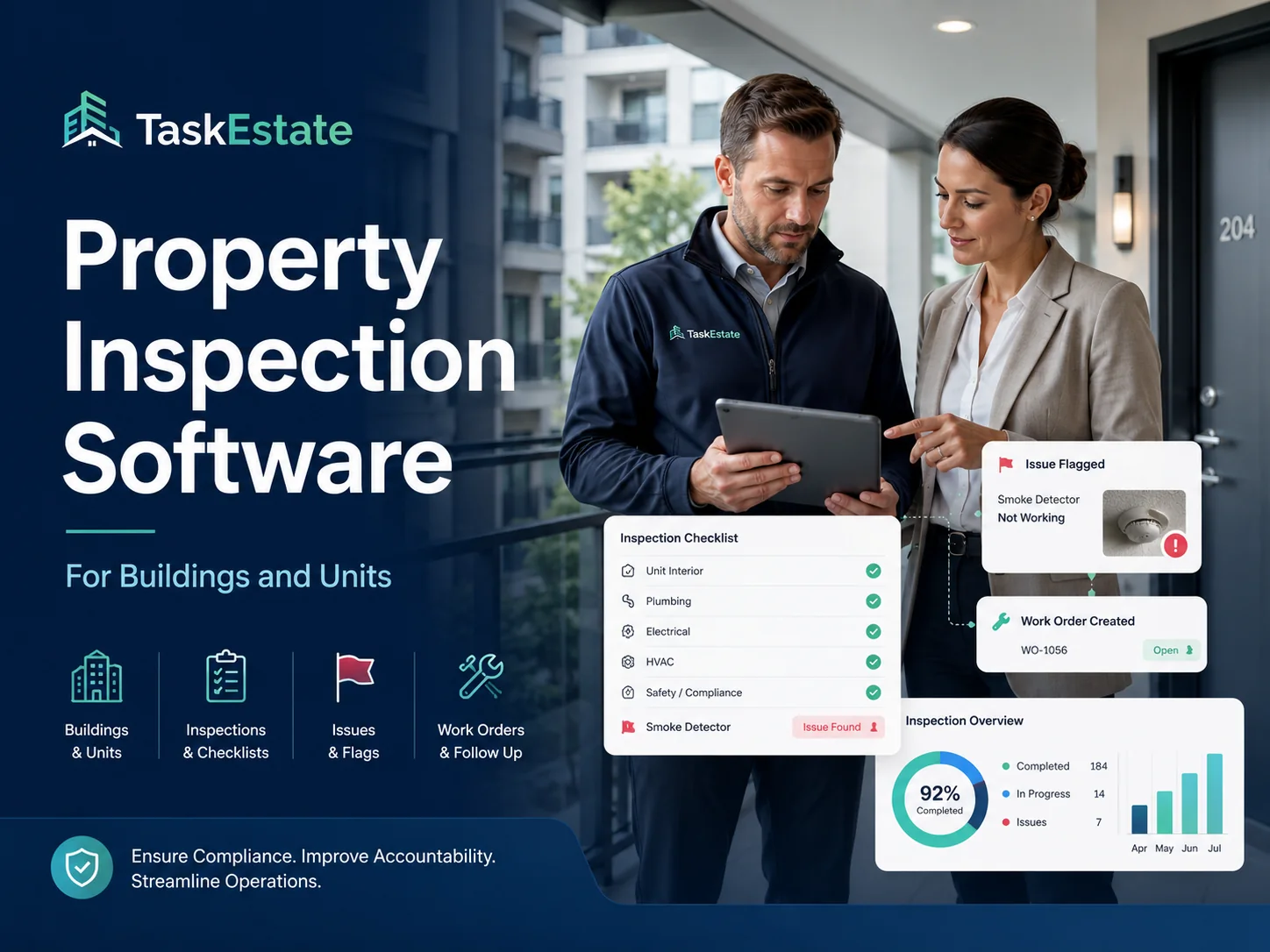
For teams formalizing this capability, property inspection software is designed to document outcomes, preserve inspection history, and connect follow-ups to operational workflows.
Properties/Units ↔ Assets: Keep Inspection History Tied to the Right Place
Inspection value is reduced when history is hard to locate or not tied to the correct unit. Location context enables faster troubleshooting, more reliable reporting, and better handoffs between teams. A portfolio structure built on property, building, and unit management ensures inspection history remains discoverable and operationally useful.
When inspections are linked with lifecycle context—what was installed, where it is located, and when it was installed—teams can better identify recurring failures and improve repair-versus-replace decisions using asset installation records.
Role Clarity: Make Inspections Reliable and Audit-Friendly
Inspections often involve different responsibilities than maintenance execution. A maintenance technician may complete the work, while an inspector verifies outcomes, and a property manager oversees priorities and compliance. Clear permissioning and accountability help ensure the inspection record is trustworthy.
Aligning responsibilities through user and role management supports consistent governance, especially in multi-property portfolios where access must be scoped appropriately.
Resident Experience Starts With Clean Intake and Verified Completion
Resident satisfaction is strongly influenced by two moments: how quickly a request is acknowledged and whether the issue is fully resolved. A structured intake process through a resident maintenance requests portal reduces missing details and accelerates triage. Inspection verification then confirms the issue is truly closed, limiting repeat complaints and escalations.
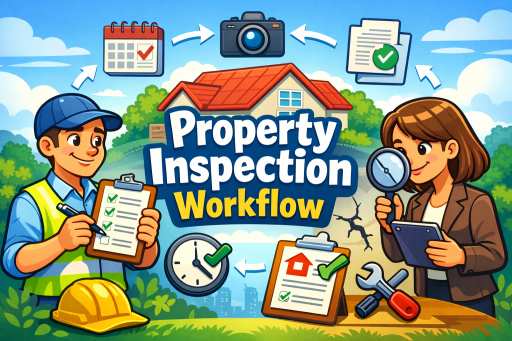
How to Implement a Closed-Loop Inspection Workflow
- Standardize intake: ensure requests come in with consistent details and location context.
- Execute with traceability: assign work, capture progress, and document outcomes through structured work orders.
- Verify selectively: prioritize inspections for higher-risk issues, repeat incidents, turnovers, or compliance-sensitive areas.
- Trigger follow-up immediately: convert failed verification into a corrective action without creating parallel processes.
- Measure and improve: use reporting to reduce repeat failures and improve response time across the portfolio.
Next Step
Replace emails, spreadsheets, and phone calls with one centralized platform that improves accountability and response time. Start by aligning inspections, work orders, and reporting under a single workflow using property maintenance software.
If you are evaluating rollout options, review pricing to choose the plan that fits your portfolio and operating model.
FAQ
When should a property team require an inspection?
Use inspections for higher-risk repairs, recurring issues, unit turnovers, safety-related work, and any task where verification reduces repeat dispatches or supports compliance documentation.
How do inspections reduce maintenance costs?
Inspections reduce rework by verifying completion standards, catching related issues early, and generating clean records that support better lifecycle decisions and vendor accountability.
How do inspections connect to reporting?
When inspection outcomes are structured, they can be measured alongside work orders to identify repeat failures, quality gaps, and performance differences across properties, units, and teams.