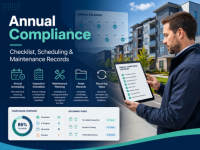
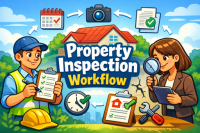
Build a More Reliable Inspection and Compliance Workflow
Effective inspection and compliance management is not only about completing checklists. It is about creating a repeatable process that helps property managers identify issues early, assign responsibility, document results, and follow through until every required action is completed. When inspections are handled consistently, teams can reduce avoidable maintenance problems, improve resident satisfaction, and maintain better control over property conditions.
For growing property management companies, compliance tasks can become difficult to manage across multiple buildings, units, assets, vendors, and team members. Annual inspections, quarterly reviews, monthly safety checks, preventive maintenance schedules, and corrective work orders all require visibility. Without a centralized system, important tasks can be delayed, forgotten, or completed without proper documentation.
A stronger inspection process gives property teams a clearer view of what has been reviewed, what needs attention, who is responsible, and what evidence has been recorded. This is especially useful for maintenance planning, owner reporting, vendor coordination, resident communication, and internal accountability.
TaskEstate is built to help property managers move from reactive maintenance to organized property operations. By combining inspections, maintenance requests, compliance schedules, work orders, and records in one workflow, property teams can operate with more confidence and less manual follow-up.
If your team is ready to organize inspections and compliance tasks more professionally, you can create a TaskEstate account and start building a more structured property management workflow.
Frequently Asked Questions About Inspections and Compliance
What is inspection and compliance management in property management?
Inspection and compliance management is the process of scheduling, documenting, tracking, and following up on property inspections, safety checks, maintenance requirements, and recurring operational tasks. It helps property managers maintain records, reduce missed responsibilities, and keep properties in better condition.
Why are property inspections important for compliance?
Property inspections help managers identify maintenance issues, safety concerns, asset problems, and condition changes before they become larger risks. Proper documentation also creates a record of what was inspected, when it was reviewed, and what corrective actions were taken.
What types of inspections should property managers track?
Property managers commonly track move-in inspections, move-out inspections, routine unit inspections, common area inspections, preventive maintenance checks, safety inspections, asset condition reviews, and recurring compliance-related tasks.
How can software improve inspection workflows?
Software can help property teams standardize inspection checklists, assign tasks, attach documentation, monitor completion status, create maintenance follow-ups, and maintain a searchable history of inspection activity across properties.
How does inspection documentation help property managers?
Inspection documentation helps property managers prove what was reviewed, support repair decisions, track recurring problems, communicate with owners or vendors, and maintain a clearer operational record for each property, building, unit, or asset.
Can inspection records help reduce maintenance problems?
Yes. Regular inspections can reveal small issues before they become expensive repairs. When inspection findings are connected to work orders and follow-up tasks, teams can respond faster and reduce the chance of unresolved maintenance problems.